
The Case for Simplicity: What Dermatologists Use on Their Own Skin
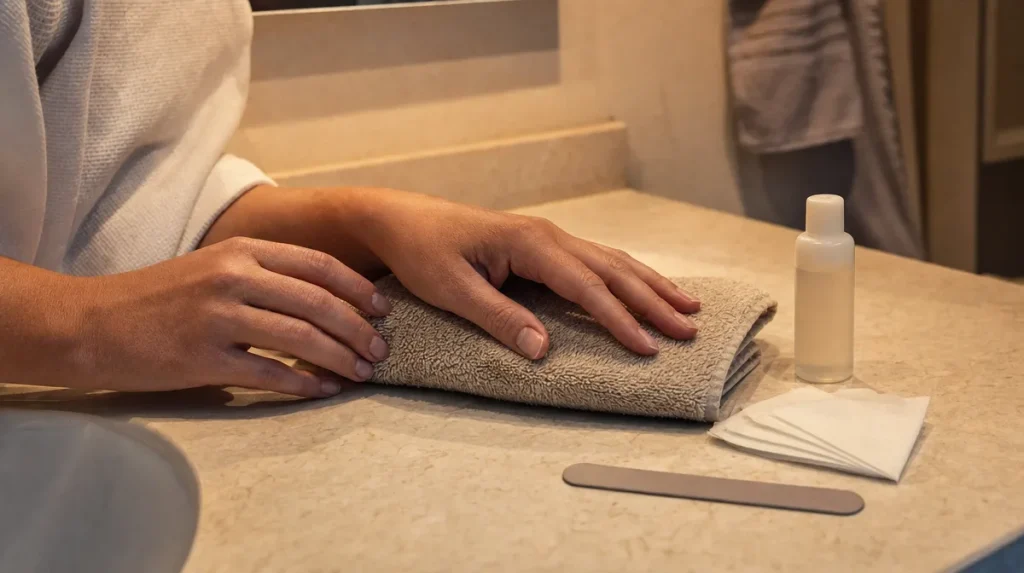
We asked eleven dermatologists the same question: what do you actually put on your own face in the morning and at night? The answers were remarkably consistent, and remarkably short. None of them described a routine with more than five products. Several…
What Changes in Your Skin After 30, and What the Clinical Evidence Says to Do About It
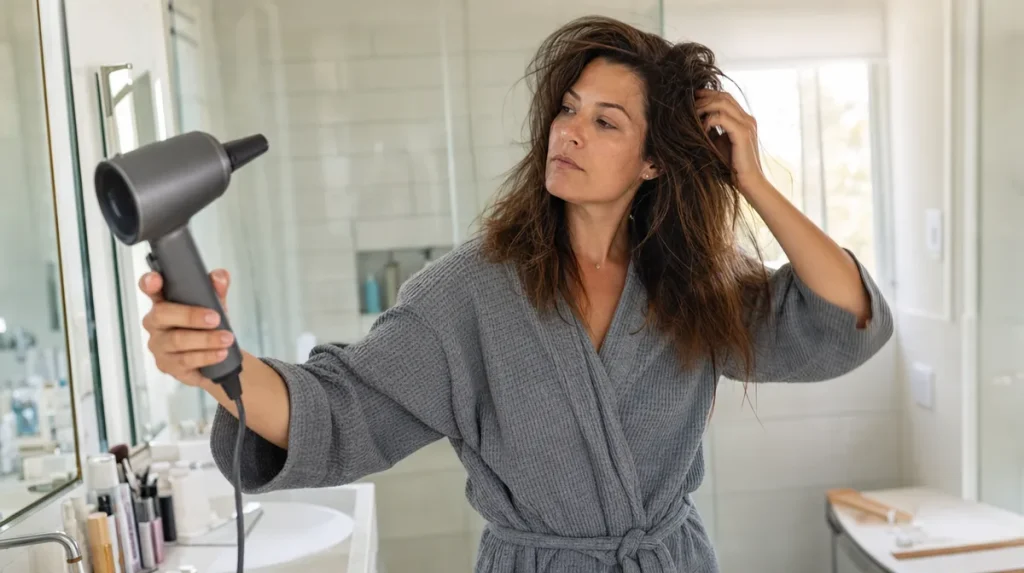
Around age 30, the skin begins changing in ways that are measurable, predictable, and largely the same across skin types. Some of these changes are intrinsic, driven by genetics and the slowing of cellular processes that started years earlier. Others are extrinsic,…
How to Read a Skincare Ingredient Label the Way a Formulation Chemist Does
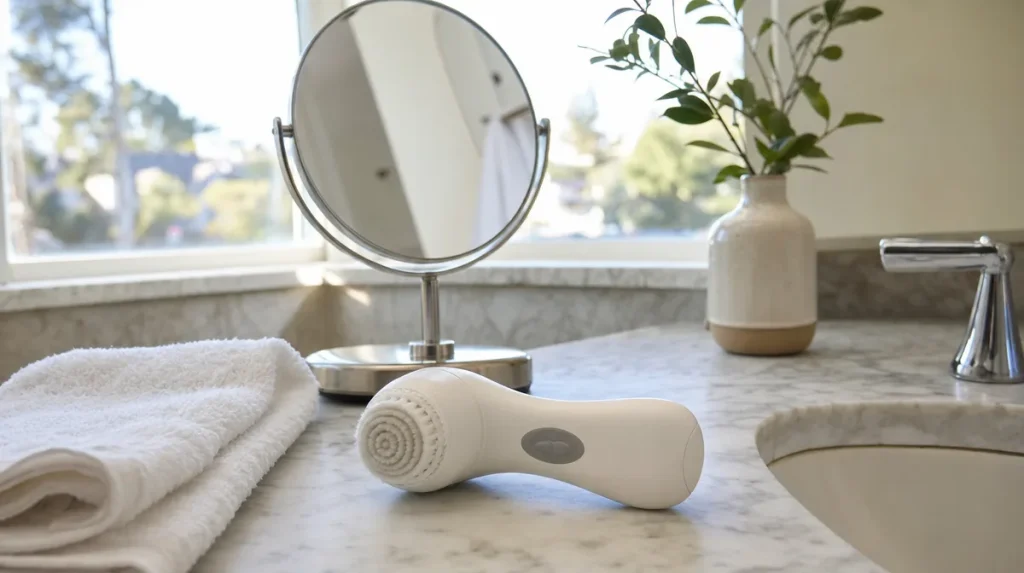
The back of a skincare product lists every ingredient in the formulation, ranked by concentration from highest to lowest. That list is the most informative piece of information on the entire package, and almost nobody reads it correctly. We asked a cosmetic…
The Science Behind SPF Ratings, Explained Without the Marketing

The number on a sunscreen bottle is the most consequential figure in skincare, and the most poorly understood. SPF 30 does not mean twice the protection of SPF 15, and SPF 100 does not mean you can stay in the sun three…